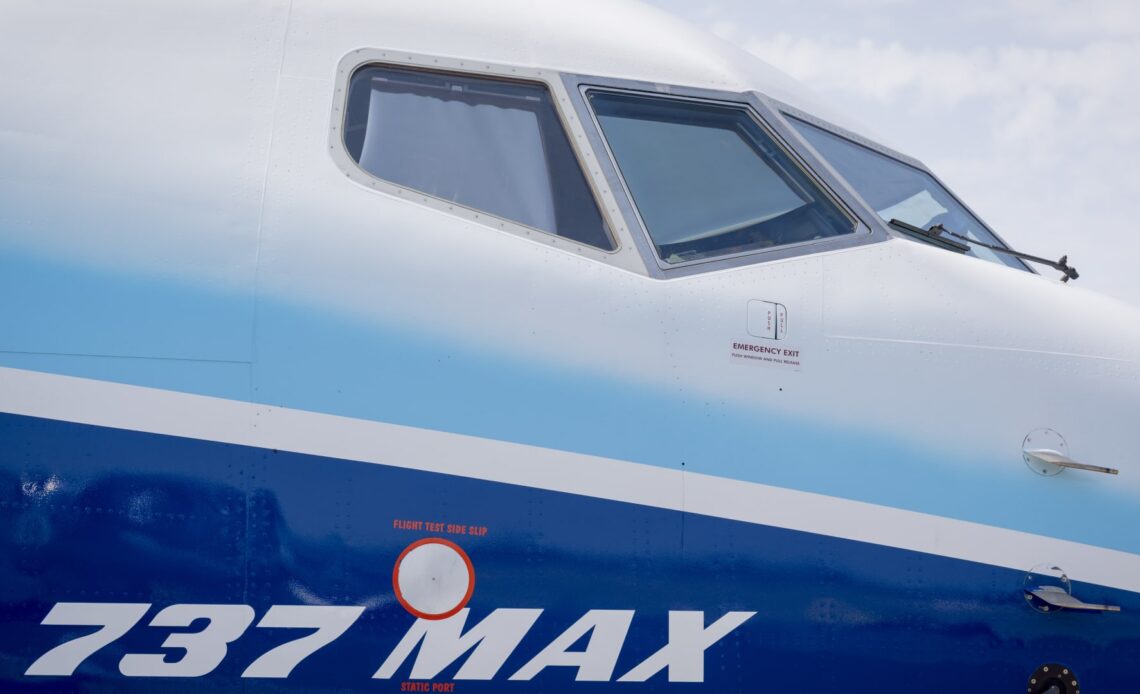
The Federal Aviation Administration has announced a delay in the certification of the Boeing 737 Max 10 following the discovery of a software glitch. This development comes as a significant blow to Boeing, which had recently signaled to investors that government approval for the largest model in its best selling aircraft family was imminent. FAA Administrator Bryan Bedford explained during a press conference in Washington, D.C., that while the agency hasn’t yet determined if the issue constitutes a primary safety risk, they will hold off on certifying the plane until they are fully satisfied with the resolution.
The technical problem reportedly involves the vertical navigation system during specific landing procedures, particularly when a pilot must perform a go around due to runway obstructions. While both Boeing and federal regulators emphasized that pilots remain in full control of the aircraft and are specifically trained for these maneuvers, officials are currently investigating whether the glitch creates an excessive workload for crews in high pressure moments. According to Bedford, it appears that while Boeing successfully patched a previous bug in the system, they unexpectedly introduced a new one in the process.
Investors reacted sharply to the news, sending Boeing shares down nearly seven percent on Monday as memories of previous setbacks linger. The Max 10 is the final piece of the puzzle for the company’s troubled fleet; it was originally slated for delivery back in 2020 before being sidelined by years of safety crises and regulatory scrutiny following two fatal crashes involving the Max 8. To distance this current situation from past tragedies, Bedford noted that this particular software issue does not strip control away from pilots, unlike the flight control systems implicated in those earlier disasters.
While U.S. airlines have stated they do not currently operate any aircraft affected by this specific glitch—largely because they can utilize older versions of software—the uncertainty clouds further deliveries. The FAA previously certified the smaller Max 7 just last month using a more updated version of the software now under review. For now, Boeing maintains that it is continuing to follow the lead of federal regulators as it works toward finally bringing its flagship narrow body jet into commercial service.