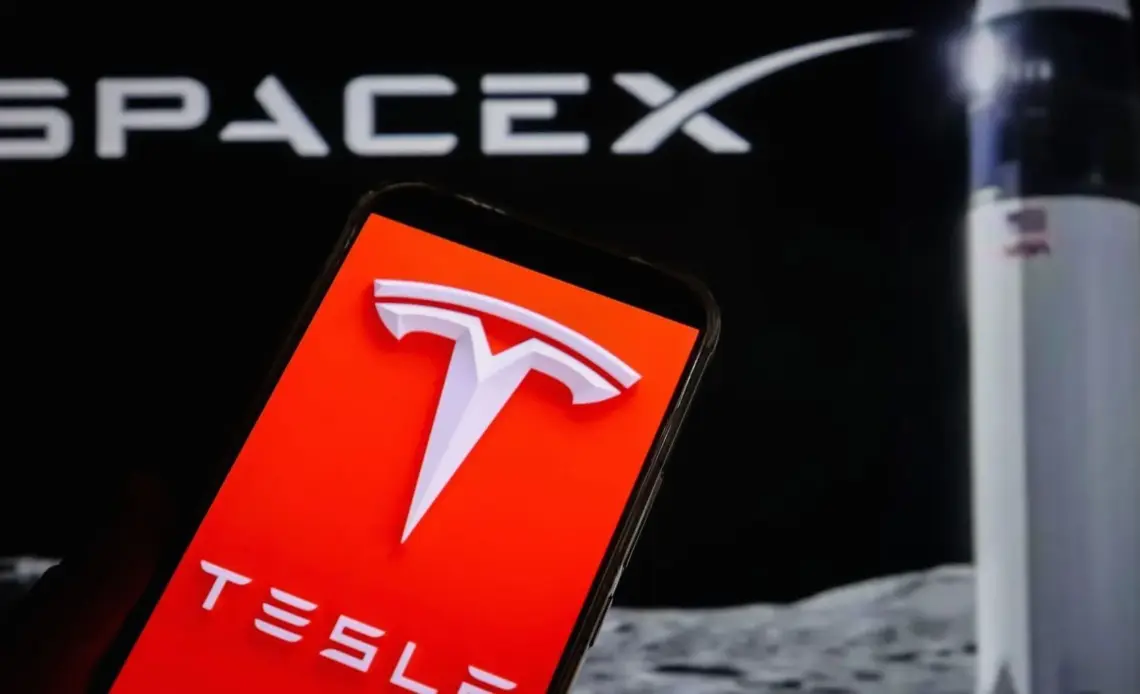
The financial world is buzzing with speculation after Elon Musk suggested that a merger between Tesla and SpaceX could actually be a good idea. While Tesla’s recent earnings report painted a sobering picture of declining auto revenues and stumbling energy business, the numbers were quickly eclipsed by the possibility of combining the electric vehicle giant with the rocket pioneer. Musk revealed that both companies have already established special committees to look into the transaction, though he later attempted to play it cool during shareholder calls, claiming he had said everything necessary on the matter.
For many followers of the so called Muskonomy, the prospect of a single conglomerate blending humanoid robotics and autonomous cars with satellite internet and interplanetary travel feels like a natural evolution. However, Wall Street remains deeply divided. Some analysts argue that since Musk already treats both firms as parts of one ecosystem, an official merger offers little material benefit beyond consolidating his personal control. This skepticism manifested in immediate market volatility, with shares for both companies dipping as investors weighed the strategic logic against the sheer chaos of such a massive reorganization.
The path to a union is fraught with legal and logistical nightmares. At SpaceX, Musk holds overwhelming voting power, but at Tesla, he faces a much higher hurdle requiring majority approval from all shareholders. Beyond the boardroom, regulators pose an even larger threat. Legal experts point out that merging a company heavily reliant on Chinese manufacturing with another that handles sensitive U.S. military contracts via Starlink would trigger intense national security audits globally. China, in particular, may view thousands of Teslas acting as computers on wheels within its borders as a risk if tied directly to American aerospace interests.
Despite these obstacles, Musk has shown an increasing appetite for folding his ventures into one another, having recently linked xAI with X and SpaceX. Whether this proposed marriage is a genuine strategic pivot or simply another distraction from Tesla’s slowing growth remains to be seen. For now, shareholders are left wondering if they are investing in separate industry leaders or merely pieces of one sprawling empire governed by the whims of its singular architect.